

LTV Prediction for Sustainable Growth
Learn More



Yet, many businesses focus heavily on acquiring new customers while neglecting the warning signs that existing customers are about to leave.
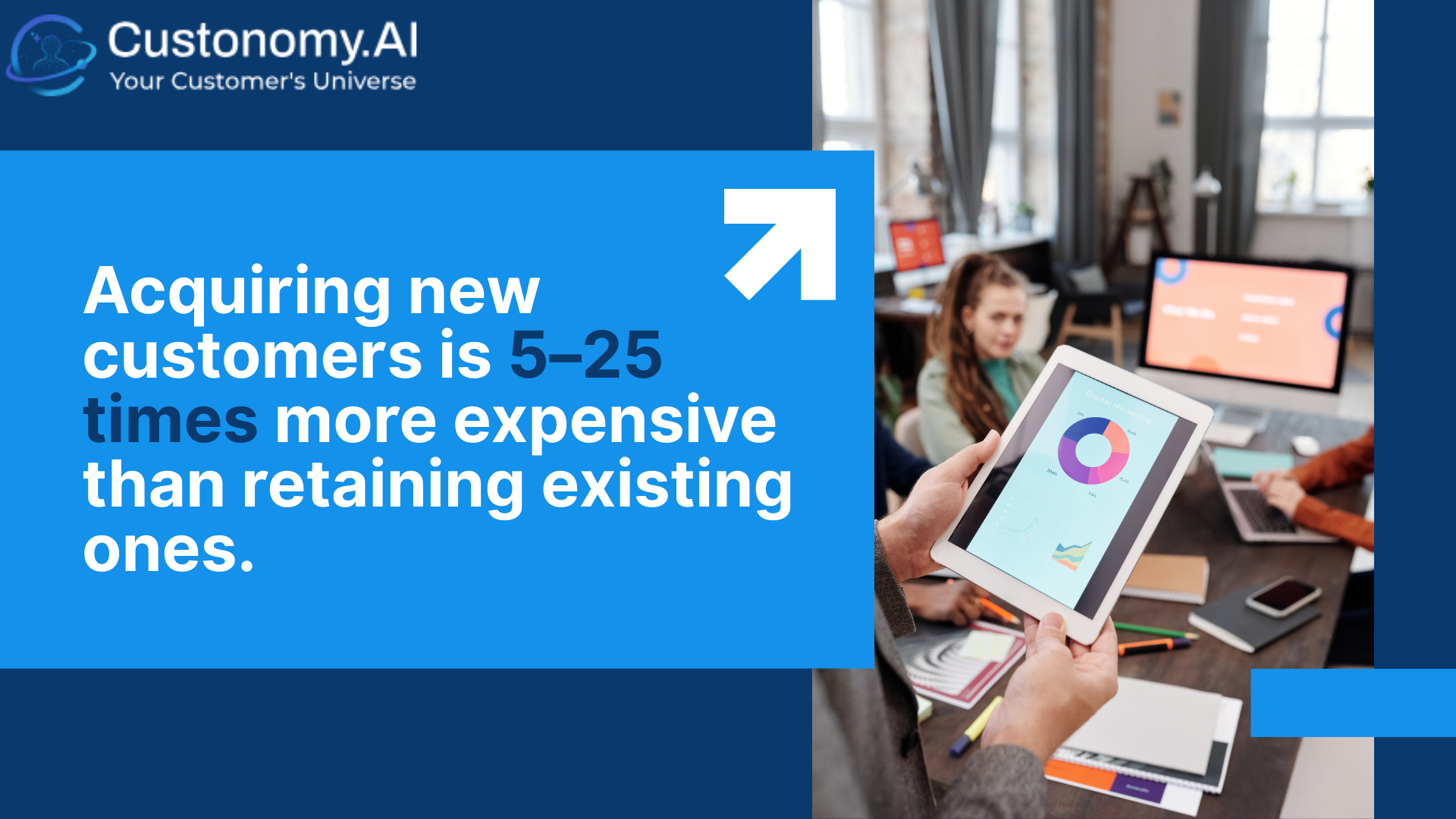
The cost of customer churn is massive. Research shows that it can cost 5–7 times more to acquire a new customer than to retain an existing one. For subscription businesses, ecommerce retailers, SaaS providers, and even consumer brands, churn directly impacts revenue, growth, and long-term profitability.
So, the critical question becomes: How to prevent customer churn?
The key lies in identifying the early warning signs of disengagement and taking proactive action before it’s too late. In this blog, we’ll break down the 5 most common signs of churn, explain why they matter, and share actionable strategies to win back at-risk customers.
Customer churn, often called customer attrition, refers to when a customer stops doing business with a company—canceling subscriptions, abandoning repeat purchases, or switching to a competitor.
Churn can be:
Either way, churn erodes revenue and damages brand loyalty. That’s why businesses need robust customer churn prevention strategies to stay ahead.
Before diving into warning signs, it’s important to understand why customers leave. Common reasons include:
Understanding these drivers helps craft better interventions when warning signs appear.
Spotting churn early is like identifying cracks before they turn into major structural damage. Below are the top 5 signs to watch—and strategies to address them.
The Sign: Customers stop opening your emails, logging into your app, or making repeat purchases. Engagement frequency drops noticeably over time.
Engagement is often the strongest predictor of churn. If customers aren’t interacting, it’s a signal that they’re not seeing enough value.
How to Prevent Churn:
The Sign: Customers submit more support tickets, leave negative reviews, or complain about poor service.
Frustrated customers often churn silently if their issues aren’t resolved quickly. Complaints are a red flag that loyalty is at risk.
How to Prevent Churn:
The Sign: Customers buy less often, downgrade subscriptions, or decrease average order value.
According to HubSpot, 70% of companies say it’s cheaper to retain a customer than acquire one.
Declining purchase patterns suggest customers are exploring competitors or losing interest.
How to Prevent Churn:
The Sign: Customers delay payments, fail to update billing details, or cancel subscriptions outright.
Involuntary churn (mostly from failed payments) accounts for 20–40% of total churn in subscription businesses.
Billing issues or cancellations are the most obvious and urgent churn signals.
How to Prevent Churn:
The Sign: Customers ignore your upgrade, upsell, or cross-sell campaigns.
Customers who see no additional value in your ecosystem may soon exit entirely.
How to Prevent Churn:
Beyond addressing warning signs, successful businesses take proactive steps to prevent churn before it happens.
Reducing churn directly drives profitability. Consider these benefits:
The future of customer churn prevention lies in data-driven insights and AI. Tools like Customer Data Platforms (CDPs), predictive analytics, and Generative AI help businesses:
Retailers, SaaS companies, and subscription businesses adopting AI-powered churn management are already seeing significant gains in retention and loyalty.
Customer churn is inevitable, but it doesn’t have to drain your revenue. The key to success lies in spotting the early warning signs—declining engagement, negative feedback, reduced purchases, cancellations, and ignored upsells—and acting fast with targeted strategies.
By focusing on customer experience, personalization, and proactive engagement, businesses can prevent churn, boost loyalty, and secure long-term profitability.
Preventing churn is not just about saving customers—it’s about future-proofing your business. Connect with our experts to learn how Custonomy can help.

Want to learn how to prevent customer churn with predictive analytics and AI-powered insights?